Showing posts with label Portraiture. Show all posts

Monday, 6 March 2017

GREGORY CREWDSON

PORTRAITS SERIES


GREGORY CREWDSON

Gregory Crewdson's suburban settings of an elaborately detailed staged setup of American homes, interiors and neighbourhoods invoke haunting, cinematic photos of alienation and eerie isolation. I've always been interested in Crewdson's work in wanting the reconstruct the world in photographs. His ideas creates a sense of longing with his subjects within the photographs. A deep felt unhappiness that divides them from reality and fantasy adding to what he has created with his dream like world in this controlled environment. His work combines the documentary style of William Eggleston and Walker Evans with a dreamlike quality. Yet unlike those photographers, Crewdson is compelled by how the still image freezes time and sets limitations, once saying he is fascinated with how he can capture a cinematic moment and freeze it for all time. His quietly disturbing American settings, with their immaculately staged lighting and sombre, solitary figures, are often seen as working in conjunction to the works of Edward Hopper.


For my series of images, I wanted to present the emotions of the figure. It is left unintentionally unclear what the subject is experiencing. However this adds to the photographs, giving an underlining  mysterious nature to the subjects.

Using Adobe Lightroom and photoshop, I added blue filters subtly into my images whilst retaining most of its colour. The blue gives connotations of a gloomy, lonely and supporting the emotions I  intended to present. For many of them I too darkened the frame, reducing the light in the background. 


MY RESPONSE 
'TERRA FIRMA'


My Series reflects the social deterioration with dealing with mental health and the contemplation of seeking identity as well as the social struggles in a world vastly more interactive and yet ironically where it is increasingly more difficult to find closure. My inspiration comes from the collective works of Carrie Mae Weems, Philip Lorca Dicorcia and Gregory Crewdson, all of which inspired my final series called “Terra Firma.” These photographs were designed cinematically and reflect the works of Dicorcia, stylised like Crewdson’s with the subjects private lives being made exclusive to us like Carrie Mae Weems.


Overall with the outcome I was quite pleased with the results, Although I did not have the same resources as Crewdson did, I feel like it was a worthy achievement for me. The main tool used throughout the project was the manipulation of lighting especially with the last photograph which was particularly one of my favourites. Using the Adobe Light Room I was able to enhance the look of the lighting and tone in all of the images. A few issues I realised was that some of the images had randomised colour marks and that the subjects were looking at the lens in the last image, although I do believe it did not spoil the image itself but merely enhance the reality of it all. 


BIBLIOGRAPHY

Man in the forest:


Bedroom contemplation:


Floating woman:


Wednesday, 1 February 2017

TJ SCOTT

SILHOUETTE PHOTOGRAPHY


T J SCOTT


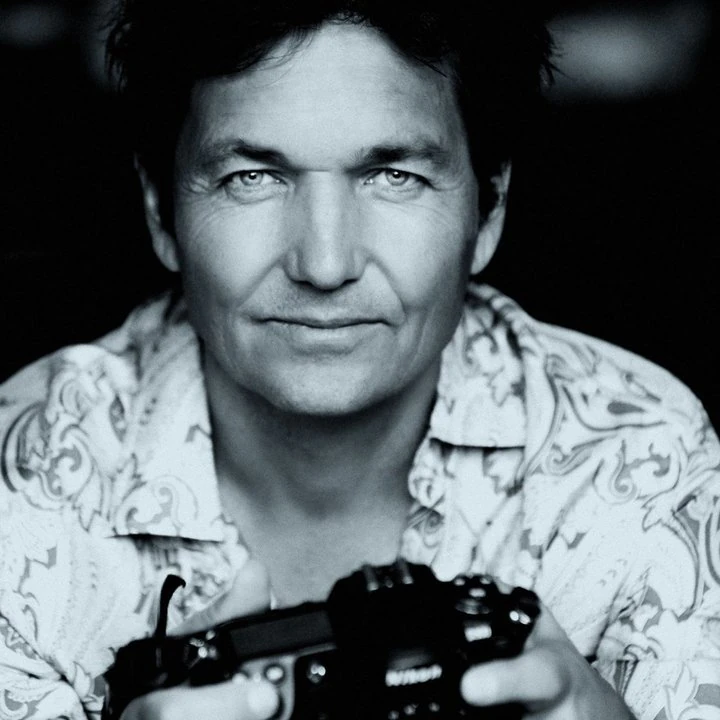
T J Scott is a renowned film and television director and producer. He is also known for his screenwriting and photography. The 30 years that he has spent working in the film industry has earned him various awards for a variety of tv programmes, such as Orphan Black and Gotham. However despite his success in film and television I want to focus more on his photography.

The Idea of looking at silhouette photography came to me after the second workshop that we had on Tuesday 24th January 2017. The workshop was based on creating a well lit scene, with the use of different lighting sources and techniques to add dramatic movie appeal. One of the issues we faced was how to get rid of the casting shadows that spilled into the background of our scenes. These shadows often caused much frustration to me. But through this workshop I realised the usefulness of shadows and how they could be used to create an dramatic and effective portrait in photography.


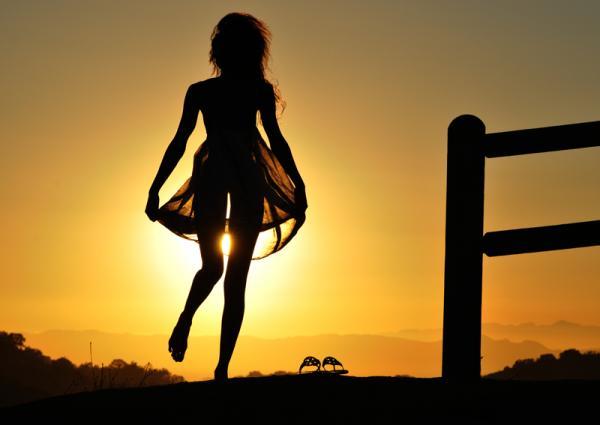
What I like about his pieces, and something that I try to interpretation in my own work, is his reflections of ourselves. The shadows we cast are symbolising perhaps our desires or an alternative to reality and are suggestive of where we'd rather be or be going. I would suggest this because the layout of his pieces seem to explore a sense of fiction alongside his subjects that are coated in black shadow. The shadow itself could portray his subjects craving to be basked in the light or are maybe a reflection of society and personal motives. Especially as the background is lit with warm colours and tinges of subtle orange to give it a comforting feeling.


Whats I also find interesting about his photography is how they seem to be created to be looking in a specific direction. This implies to me that a lot of his subjects appear to be on the precipice of making a long journey onwards, which could be an emphasis on decision and the choices we make that are setting us on a path within our own lives.


My response


My response was to create a similar piece using the sunrise as my light source. I chose to do the shoot at this particular time at sunrise because the light gave off a faint glow, which applied a luminescent effect to my photographs. The glow rising from the background also creates symbolism of new hopes, fresh start and that a new day coming. What I like about these images in terms of underlying meaning and my exploration of symbolism, is how the night is darker just before the dawn, and that both of these concepts can be seen in the photograph.


The image above was more experimental than the rest of my chosen pieces. I thought that it complimented T J Scotts work, as it shows lines heading towards a direction - the sunrise. Which in turn gives off a warm and pleasant feeling, that a new day is coming over in that direction.


In this image I experimented with shapes and lines. The contrast between the dark night and the brightness of the day can be clearly seen. The glow of the approaching Sunrise runs along the middle line separating the dark and light. 


The subject appears to be looking toward the sunrise and also into the sky. Suggesting a state of wonderment, and thoughtful pondering potentially leading to decisions and chasing a path to take.


BIBLIOGRAPHY


-T J Scott website:

http://www.tjscottpictures.com


-T J Scott self portrait:

http://vignette1.wikia.nocookie.net/hercxena/images/6/6c/TJ_Scott.jpg/revision/latest?cb=20160115122942


- Man with the guitar:

https://i.ytimg.com/vi/g6WMoMCjg4M/maxresdefault.jpg


- Dancing woman in the sunlight:

https://c1.staticflickr.com/5/4138/4760403077_540f160487_b.jpg


- The dancer and musician together:

http://www.mmagazin.sk/wp-content/uploads/2015/02/4.jpg


- Girl walking off towards the sun:

http://www.cuded.com/wp-content/uploads/2011/04/20110430_13_she_takes_her_shoes_off_to_dance_wide600_425.jpg


- Boys on bikes:


http://hotpenguin.net/wp-content/uploads/2013/02/silhouettes16.jpg


- Two boys on a bicycle:

http://webneel.com/daily/sites/default/files/images/daily/07-2013/24-best-silhouette-photography.jpg


- Swinging party:

http://9bytz.com/wp-content/uploads/2011/12/TJ-Scott-Silhouette-Photography-1.jpg


-Boy alone staring at the sunset:


http://weezbo.com/images/2014/01/1388936170_4-640x429.jpg


Thursday, 24 November 2016

PORTRAIT ASSESSMENT


Steven Meisel 


Steven Meisel is an experienced and talented vogue photographer who has performed counties projects for global brands such as Tom Ford, Calvin Klein, Dolce and Gabbana, Prada,  Louis Vuitton and many more.

I felt that Meisel was a good photographer to continue looking at for the continuous theme of identity. Following my story of who we want to be. The very idea of a model can speak to many as desirable and perfection in society. As well as an acute sense to the latest fashion. My idea was to approach with a similar response elaborating my subjects figure in order to fit their desires and innermost needs. I want to do this because it ties in nicely with my story and it plays upon the wants, painting a mental picture of the individual and an insight to their thought process.

STEVEN MIESEL, JULY 2000.                                                                                                                            STEVEN MEISEL,JULY 2014.


VOGUE ITALIA, BY STEVEN MEISEL JAN 2016. 
AGYNESS DEYN VOGUE ITALIA BY STEVEN MEISEL, NOV 2006.


In this photoshoot I wanted to explore the styles of Steven Meisel  and incorporate it into my own portraits. I identified that Meisel chooses subjects with prominent facial features, and that he is best known to often choose professional models who would considered desirable in looks by mainstream society. I also observed that he rarely shows the subject plainly, instead Meisel uses story telling techniques within his photographs. I was specifically inspired by his portfolio 'Makeover madness.' Which shows the transformation of each subject through the makeover process.


MY RESPONSE 


I experimented with varying the amount and direction of the light that would fall upon my subject, using a light-box and artificial lighting. Shot using my macro lens, 24mm prime lens and 18-55mm IS lens, which achieved a range of close ups and wide angles. 


Overall this entire photoshoot was about 300 images and consisted of three different parts. Such a large photoshoot gave me time and creativity to come up with different features that could be applied to the subject. I was fond of how eventually my housemate, Dan. Began to absorb this role I presented immersing himself creating a visually mental understanding of Dan's nature. 


MY FINAL CHOICE 


I chose these images as part of my final selection because I felt that they produced the idea of who we want to be really well. The subject wore a fur blanket and much like a crown is often associated with wealth. This object highlights my subjects desire to be wealthy and successful. The face paint was used to detach my subject from his original self, obscuring the face that he wears in his day to day life ,thus creating an alter ego. Similar facepaint designs and colours were used by ancient tribes in America to show strength and power - used on my subject to show his wanting to be respected by his peers and society.

I intended to follow a story throughout my project that would show my representation of ideas about 'who we are, what we do, who we want to be.' I am confident that this has been presented well and I achieved what I mostly intended. Through my research I have learnt that identity through portraits can have many forms, different ways of telling the story.Yet I believe that portraits are a form of identification.The frame may stay the same, but the subject of interest will change. This allows us to construct a photograph that has reflective meaning onto the observer. Observers are able to interpret  the still actions of the subject within the frame and analyse the characteristics in these actions to build an emotional reaction to the image. Theses characteristics can be facial features,as in common with traditional portraiture or through body language.

 My ability with macro lenses to explore unusual compositions and angles has enhanced my knowledge of photography. I've also learnt how to manipulate artificial and natural light to improve an image to greater effect.

Overall I am happy with the work I've produced, but their are certain areas of improvement that could be made. I didn't explore much traditional styles of portraits which I would like to do in the future. additionally I could've shot a wider range of subjects, specifically people I didn't know so well as apposed to my little sister or my housemate. This could've given me the opportunity to explore more observational portraits. I do believe my skills in creating an impressive professional image has improved over the course of these nine weeks. Although I will confess it was stressful not being able to use editing tools in post production. I feel a sense of achievement in producing a raw image with only lighting, composition, exposure and much more at my disposal for which I am pleased.

However I cannot resist the urge to present my selected final few in a polished form of post production. However !! They are in no way or form part of my final piece but only a contributor! 


BELOW ARE ALSO EDITED VERSIONS OF MY THREE PART PHOTOSHOOT THAT I CHOSE TO LEAVE ASIDE. HOWEVER IN DEDICATION TO THEM I ADDED A SELECT FEW IN EDITED FORM. ENJOY.


BIBLIOGRAPHY 


STEVEN MEISEL JULY 2000 -

http://agonistica.com/wp-content/uploads/2012/12/53.jpeg

STEVEN MEISEL JULY 2014 - 

http://eclectix.com/wp-content/uploads/2014/07/steven-meisel-stylist-camilla-nickerson.jpeg

AGYNESS DEYN VOGUE ITALIA, NOV 2006 - 

https://pleasurephoto.wordpress.com/category/agyness-deyn/page/4/


VOGUE ITALIA BY STEVEN MEISEL, JAN 2016 -

https://uk.pinterest.com/pin/563161128385567285/


Wednesday, 5 October 2016

NARRATIVE PORTRAITURE

ARTHUR TRESS & PAOLO VENTURA 


By Photographer Arthur Tress
FISH TANK SONATA

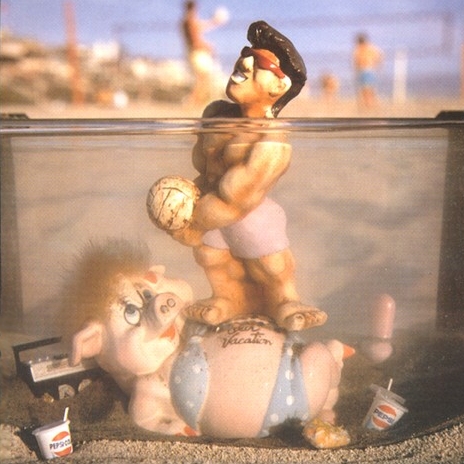
Arthur Tress began his project by travelling to the
Taken at Manhattan beach, California.
Hudson River near Catskill, New York. In which he rented a small cottage from a fellow photographer. Using collectibles from the forties and fifties, Tress Wanted to construct a still life piece without yet the knowledge of his theme. Coincidentally. Catskill had been home to the famous painter, Thomas Cole. Who in his time began a series of paintings called 'The Voyages Of Life.' This story suggests the four stages of a man's life.

Arthur Tress wanted to depict the poetic narrative of an anglers journey through time and existence.
However Tress did go on to mention and I quote. 

Taken at Apalachicola Bay, St. George Island, Florida.


"This Narrative would not only be about the anglers journey but also mine, reflecting the process of how I evolved into the photographer I am."

Taken at Turtle pond, Central Park, New York City.


By Photographer Paolo Ventura
The Automaton


These specific photographs are taken from Paolo Ventura's Larger project 'The Automaton.' Ventura depicts the story of an elderly man in Venice, during the second world war. Living in the jewish ghettos of Canareggio alone and lonely with only a few remaining Jews, the elderly man constructs himself a friend named Nino. A friend made out of parts (Automaton or better known as robot.)


Throughout the tale, it explores the sacred friendship between the old man and his newly made friend. 


But when the Nazis return...they round up the last few remaining Jews.


What I'm most fond about with these two artists is that they captivate human life through the efforts of narrative story. Their attempts to recreate situations that are part of a real piece of work or connected to a real event in time, inspires each to create their own unique meaning. 

Another point that can be made is the difference between the use of colours. One of them is realistically accurate and the other is surreal (dreamlike). But there can be a connection made between the two because they both contrast life.


Now a question for you my readers.What narrative story are you fond of ? 

Thank you for viewing my post. Please leave a comment and share below. 


BIBLIOGRAPHY 


ARTHUR TRESS -  Title: Fish Tank Sonata
                                 Publisher: Bulfinch Press; slp edition (September 2000)


Paolo Ventura - 
 Title: Venice 1943
Authors: Ventura, Paolo
Source: Aperture; Summer 2011, Issue 203, p66-73, 8p
Database: Art full text (H.W. Wilson)